Marketing · November 18, 2026 · 6 min read
Establishing clear brokerage listing media standards provides your team with an objective, repeatable benchmark for visual marketing across every property you represent. By defining strict guidelines for composition, resolution, lighting, and compliance, brokerages eliminate visual inconsistency and protect their brand reputation across competitive markets from Surrey and Langley to Vancouver. A simple, enforceable standard ensures every listing reflects the team's professional tier, regardless of property price point or which agent holds the contract.
In high-volume markets across the Lower Mainland, a brokerage brand is judged by the collective quality of its active inventory. When individual team members upload disparate visual assets—ranging from unedited mobile phone snapshots to poorly processed wide-angle captures—the overall brand identity fractures. High-performing teams recognise that marketing consistency builds consumer confidence. Potential home sellers evaluating your firm observe the uniform presentation across all marketing channels before deciding whether to sign a listing agreement.
Without clear team media guidelines, managing brokers often face internal friction. Junior agents may cut corners to save on upfront marketing costs, while top producers may commission bespoke media that does not align with team branding colours or formatting rules. Establishing centralized listing media standards establishes operational clarity: it outlines exactly what constitutes an acceptable marketing package, sets turnaround expectations, and establishes standard operating procedures that keep listing workflows running smoothly.
Furthermore, standardisation streamlines the administrative workflow for brokerage marketing coordinators. When all photography, cinematic video, floor plans, and digital assets arrive in predictable dimensions, aspect ratios, and naming conventions, administrative staff can launch MLS listings, print brochures, and digital campaigns much faster without requesting revisions.
An effective media policy must be specific enough to eliminate guesswork while remaining practical enough for everyday enforcement. Managing brokers should build their listing guidelines around four essential pillars:
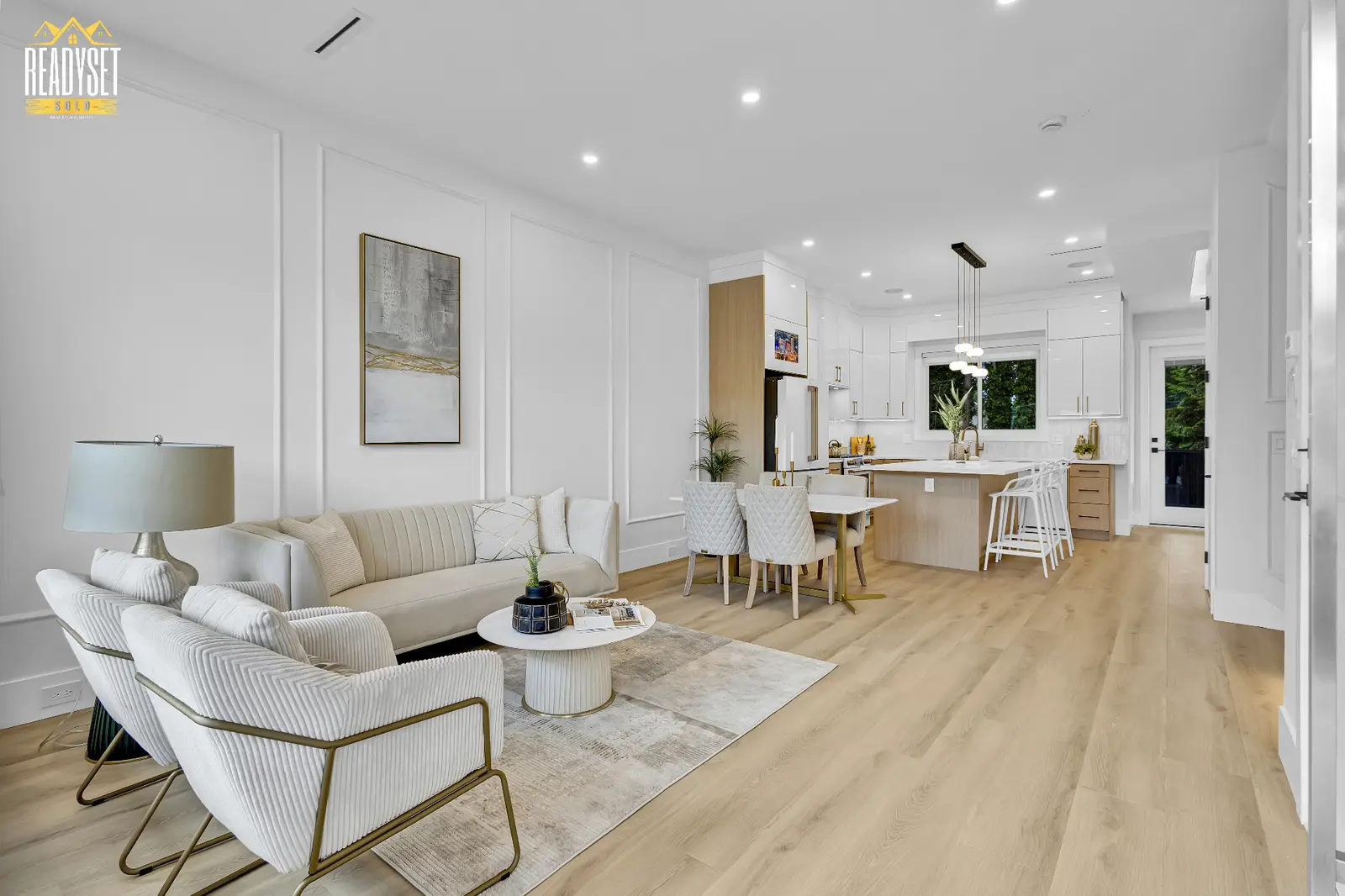
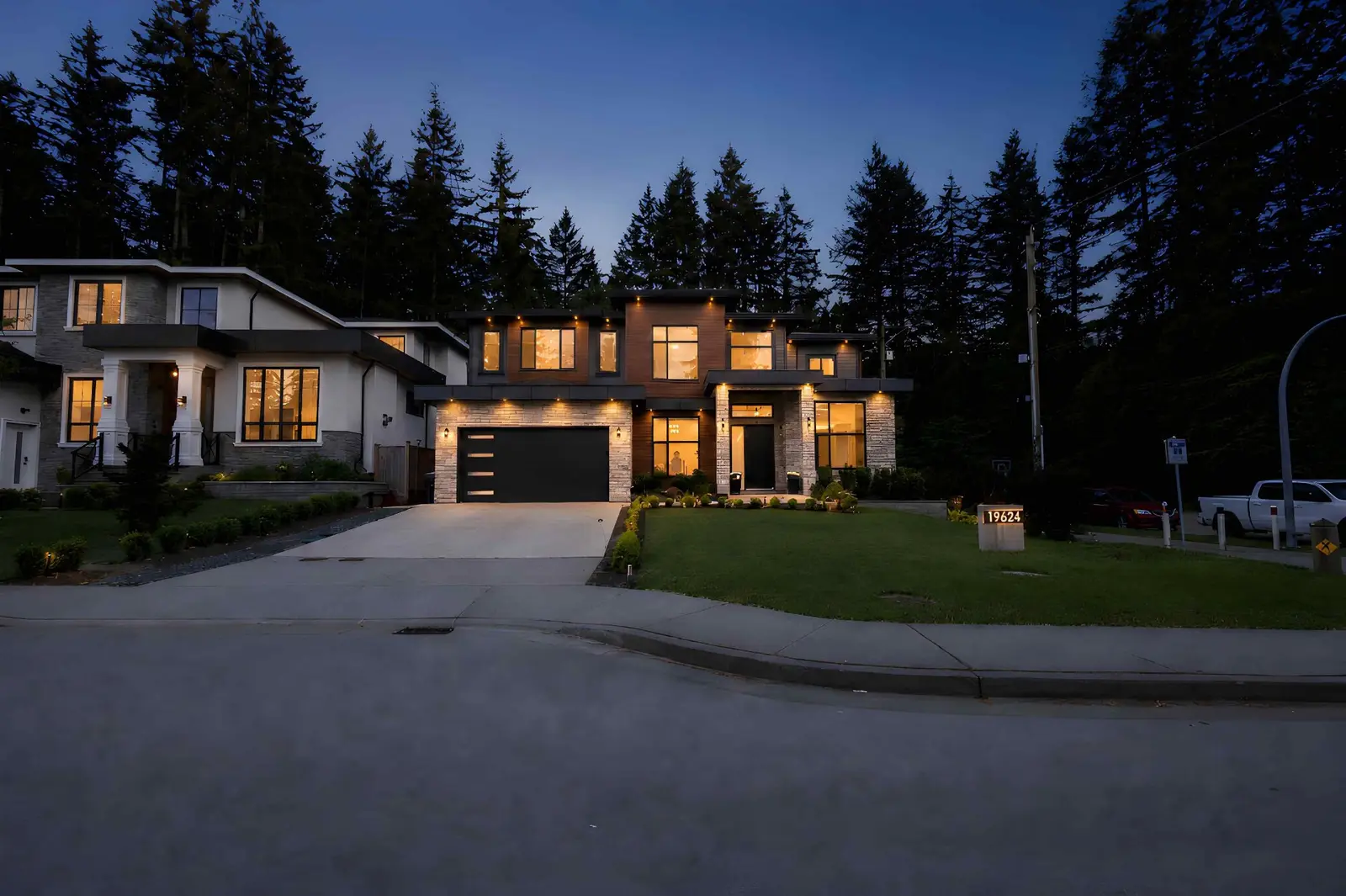
Visual standards should dictate the fundamental aesthetic of your photography. Real estate marketing requires true-to-life colour rendering, natural window balance, and straight vertical lines. Standardise on natural daytime lighting rather than overly processed HDR rendering with unnatural saturation. Guidelines should also specify that exterior angles capture the architectural structure without excessive wide-angle distortion that misrepresents property boundaries or room scale.
Every listing package should require specific deliverable files suited for multiple marketing endpoints. A comprehensive media standard dictates:
To avoid incomplete representation on the MLS, establish mandatory shot requirements categorized by property type. For instance, an entry-level condominium in Surrey City Centre might require a baseline of 18 to 22 images covering every primary living zone, building amenities, parking stall, and storage locker. In contrast, a detached residence in South Surrey or White Rock may mandate 35 to 45 images incorporating formal living spaces, primary suites, secondary bedrooms, utility rooms, landscaped yards, and architectural details.
Listing workflows depend on reliable timelines. Your standard should document operational milestones: media must be scheduled at least 48 hours in advance, property preparation checklists must be completed prior to photographer arrival, and final media files must be returned within a strict listing-photo delivery within 24 hours of the completed shoot window to ensure timely MLS uploads.
Below is a practical checklist format that team leaders and managing brokers can adapt directly into their office policy manuals. This framework establishes clear baseline expectations across different property tiers in British Columbia.
Brokerage media policies are not merely aesthetic; they are also a matter of regulatory compliance and risk management. Licensees in British Columbia must ensure that advertising and visual representations adhere to statutory guidelines established by the BC Financial Services Authority (BCFSA). Licensees are responsible for presenting representations that do not mislead or deceive prospective purchasers regarding room size, view lines, condition, or physical boundaries.
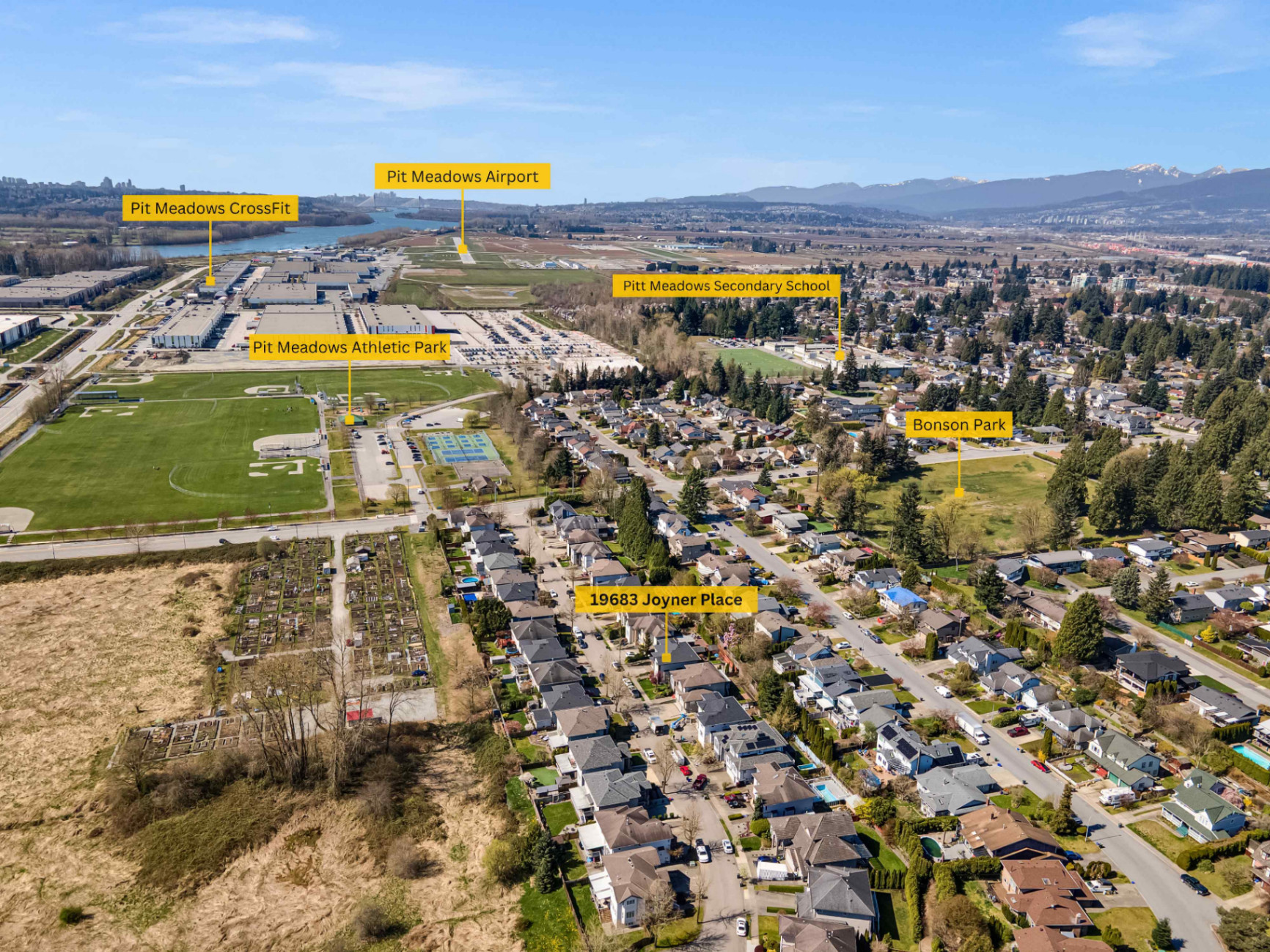
When incorporating drone photography across areas like Richmond, Burnaby, or Vancouver, brokerages must ensure their visual media providers hold appropriate pilot certifications and operate in strict compliance with Transport Canada drone safety regulations. Operating commercial drones near controlled airspace or over bystanders without proper licensing creates significant liability for the brokerage and property owner.
Additionally, visual media must respect tenant privacy in rental units under the jurisdiction of the British Columbia Residential Tenancy Branch. Capturing identifiable personal belongings, sensitive documents, or family portraits can lead to formal complaints. Brokerage standards should instruct photographers to reframe shots or stage spaces to protect tenant privacy while still capturing structural features accurately.
Publishing a policy document is only the first step; successful adoption requires simple, structured enforcement. Team leaders can implement these standards effectively through three operational strategies:
The most reliable way to enforce visual consistency is to partner with a dedicated professional media team rather than permitting individual agents to hire random third-party vendors. When your brokerage aligns with an established studio, the photographers already know your specific composition requirements, turnaround needs, and technical preferences. Explore our professional photography services and complete media packages to see how centralized production works.
Make media compliance a standard milestone in your listing launch checklist. Before an administrative assistant or managing broker approves an MLS listing for publication, the media assets must be verified against the team standard: correct photo count, no extreme distortion, valid floor plan disclosures, and proper brokerage branding on marketing flyers.
Agents often struggle with media consistency because sellers do not prepare the home adequately before the shoot. Equipping your agents with branded preparation sheets ensures homes are clean, decluttered, and staged before the photographer arrives. This eliminates delays and guarantees clean, consistent listing photos on every appointment.
A unified visual standard protects your brand equity, simplifies internal operations, and delivers an exceptional presentation for your seller clients. Whether your listings are urban condos in Burnaby and Coquitlam or expansive properties in Langley and Delta, presenting a cohesive, polished look distinguishes your brokerage from the competition.
Ready Set Sold Media partners with leading real estate teams and managing brokers throughout Surrey, South Surrey, White Rock, and the broader Lower Mainland to establish and deliver uncompromised media standards. Review our transparent media packages and pricing, or reach out directly through our contact page to discuss setting up dedicated visual standards for your brokerage team. To schedule your next property capture, you can easily book an appointment online today.
Explore our photography service and local media coverage, or request an itemized quote.
#brokerage branding #listing standards #real estate marketing #team guidelines #lower mainland real estate
Rated 5.0 stars from 11 Google reviews — read our Google reviews.
Real estate photography, video, drone, floor plans and 3D tours across the Lower Mainland — listing photos delivered within 24 hours of the completed shoot; other delivery confirmed when you book.