
Home Prep · November 21, 2026 · 6 min read
Protecting privacy in listing photos requires a systematic review before marketing assets go live on the MLS, brokerage websites, and social channels. Overlooking small details—such as visible mail on a counter, computer screens left on, or a vehicle licence plate in the driveway—can compromise a seller's personal security and create unnecessary liability. A dedicated pre-publish privacy sweep ensures your visual marketing remains polished, professional, and compliant with privacy standards.
Real estate marketing has evolved into an entirely digital-first experience. High-resolution imagery, immersive video tours, and floor plans distribute details of private residences across public portals, syndication networks, and social media platforms. While the primary goal of real estate photography is to showcase a home's architectural flow and design, uncaught personal items can reveal sensitive information about the occupants.
In British Columbia, real estate professionals operate under guidelines established by regulatory bodies like the BC Financial Services Authority (BCFSA) and provincial legislation overseen by the Office of the Information and Privacy Commissioner for BC (OIPC). While marketing a property requires visual exposure, licensees must take reasonable measures to protect personal information from unnecessary public disclosure. Beyond statutory requirements, protecting client privacy builds trust and demonstrates a high standard of care for homeowners during a significant life transition.
High-resolution camera sensors capture extraordinary detail. What looks like an indistinct blur to the naked eye during a walk-through can often be read clearly when zooming in on an ultra-high-definition photo. When reviewing listing galleries, pay close attention to these five high-risk zones:
Kitchen islands, entry consoles, and home office desks are frequent landing zones for everyday mail. Items commonly captured in wide-angle interior shots include:
To safely remove personal information photos from your marketing pipeline, clear all paper clutter completely prior to shooting rather than relying solely on post-production blurring.
With remote work common across the Lower Mainland, dedicated home offices and multi-use workspaces appear in nearly every listing. Digital screens represent a significant privacy hazard if left powered on:
Ensure all monitors, laptops, and wall panels are powered down or set to a clean, static, neutral background before capture.
A classic recommendation in home staging is depersonalization, primarily to help buyers envision themselves in the space. However, managing family photos listing visuals is equally a matter of occupant safety:
Replacing personalized artwork with neutral prints or removing it entirely safeguards the family's identity throughout the marketing campaign.
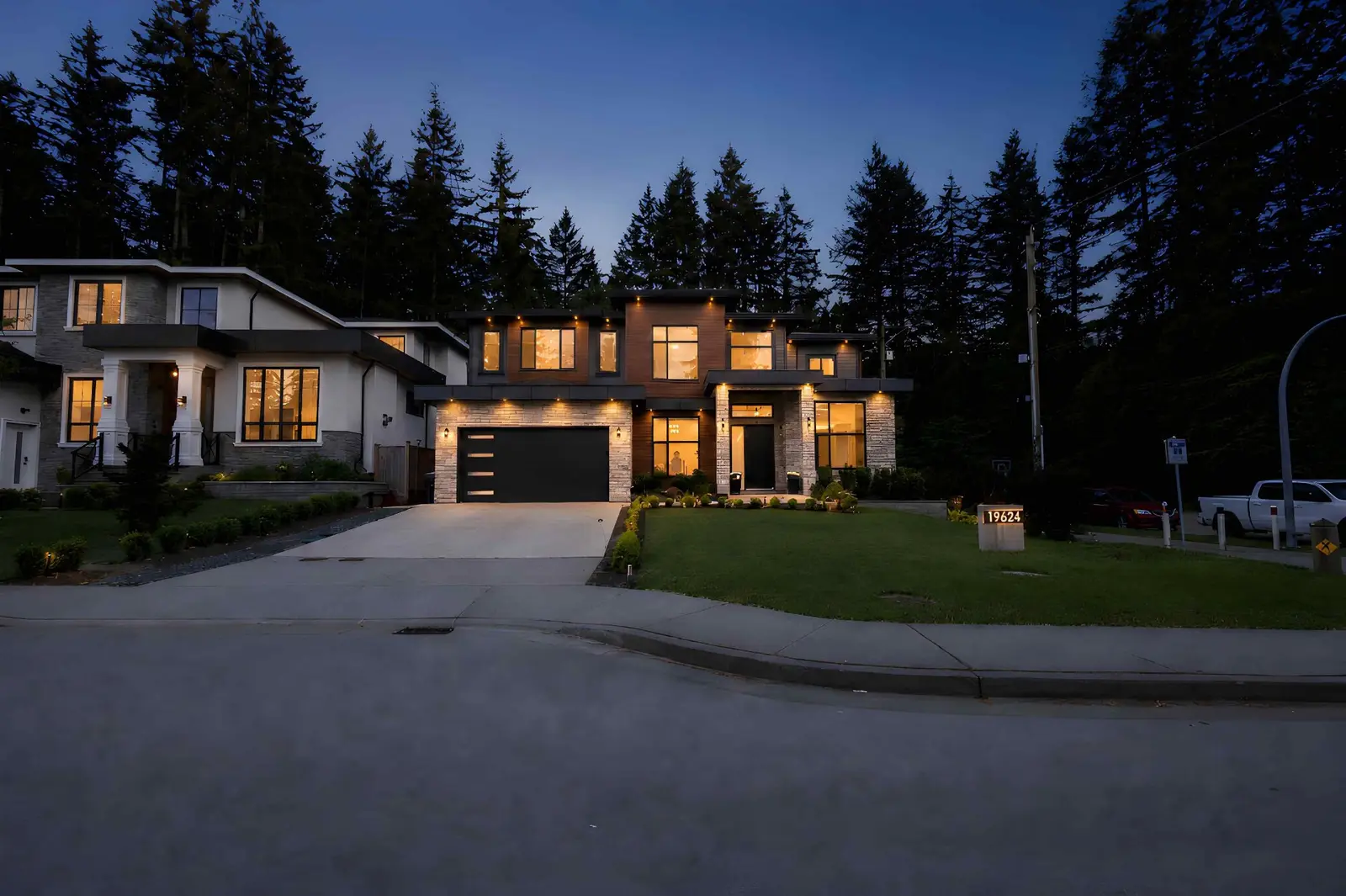
Exterior marketing assets—including front elevation photos, twilight shots, and video fly-throughs—frequently encompass driveways, carports, and street parking. Capturing a clear license plate listing photo connects a specific vehicle, registration identity, and daily routine to the property address.
Vehicles should ideally be parked inside a closed garage or moved down the street out of frame. If a vehicle must remain on the driveway or street within the frame, ensure licence plates are blurred in post-production before the image is published.
While showcasing security features might seem like a selling point, revealing the exact configuration of security hardware can compromise property safety:
Before uploading your media gallery to the MLS, brokerage portals, or social media channels, run through this practical checklist to catch and correct privacy exposures:
Aerial media provides exceptional context for properties across Surrey, Langley, Abbotsford, and the broader Lower Mainland, highlighting lot dimensions, proximity to parks, and mountain vistas. However, aerial operations introduce specific privacy considerations for neighbouring properties.
Drone flights in Canada must comply with regulations established by Transport Canada. Beyond airspace safety and pilot certification, drone operators must respect reasonable expectations of privacy. Aerial images should not look directly down into neighbouring backyards where individuals are present, nor should they capture clear views through skylights or upper-storey windows of adjacent homes. Professional media creators frame aerial shots to highlight the subject property and general neighbourhood geography while maintaining respectful angles toward surrounding private spaces.
Marketing tenanted properties requires an elevated standard of privacy awareness. Tenants have legal rights regarding the quiet enjoyment of their home and the protection of their personal possessions during marketing activities under the BC Residential Tenancy Act.
When preparing to photograph or film a tenanted rental unit:
The most efficient way to maintain privacy in listing photos is to eliminate sensitive items before the media team arrives. Educating your sellers during the initial listing consultation sets clear expectations and saves valuable time on shoot day.
Provide your clients with our comprehensive Home Prep Guide ahead of their scheduled appointment. Walking sellers through the decluttering and depersonalizing process ensures their home is staged for maximum buyer appeal while keeping their personal details secure.
Protecting your clients' privacy requires careful attention from both the listing agent and the media team behind the lens. At Ready Set Sold Media, our photographers actively scan rooms during every shoot, flagging visible documents, family photos, and active screens before capturing each angle. In post-production, we apply careful retouching to obscure licence plates and unforeseen sensitive details.
Explore our professional real estate photography services or view our clear pricing packages. When you are ready to schedule your next listing shoot in Surrey, White Rock, Delta, Langley, or anywhere in the Lower Mainland, book online or contact our team to discuss your marketing needs.
Explore our photography service and local media coverage, or request an itemized quote.
#listing photography #privacy in real estate #realtor checklist #property marketing
Rated 5.0 stars from 11 Google reviews — read our Google reviews.
Real estate photography, video, drone, floor plans and 3D tours across the Lower Mainland — listing photos delivered within 24 hours of the completed shoot; other delivery confirmed when you book.
Home Prep · November 21, 2026 · 6 min read
Photography · November 5, 2026 · 6 min read
Photography · October 28, 2026 · 5 min read