
Marketing
A Realtor Guide to Google Business Profile Photos
October 20, 2026 · 6 min read
Home Prep
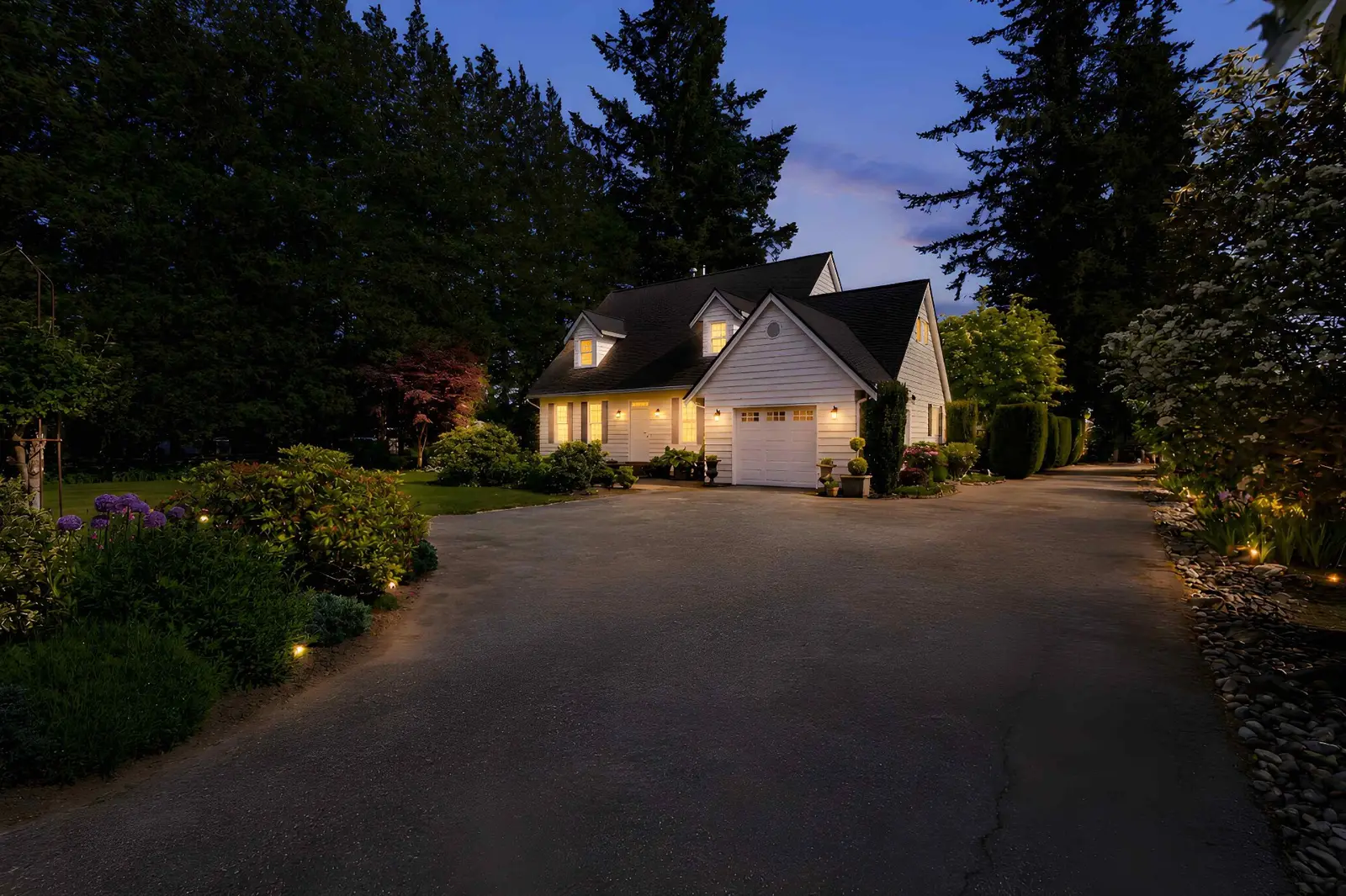
Winter curb appeal in Surrey and across the Lower Mainland relies on architectural contrast, clean hardscaping, and warm exterior illumination rather than lush summer landscaping. Because our coastal winter climate brings persistent overcast skies and frequent rain, camera sensors capture clean textures, architectural depth, and deliberate lighting far more effectively than dormant garden beds. Focusing on surface preparation, structural lighting, and intentional entryway accents ensures your property stands out distinctly in online search results between November and February.
Photographing real estate during a coastal British Columbia winter presents a specific visual environment. Historical climate data compiled by Environment and Climate Change Canada confirms that the Lower Mainland experiences its highest volume of precipitation and sustained cloud cover between November and February. For property marketing, this constant cloud cover acts as a giant natural softbox, diffusing direct sunlight and eliminating harsh, high-contrast shadows across the exterior facade.
While diffuse light prevents dark shadows under eaves and porches, it can also flatten visual depth if the home lacks tonal contrast. Rain saturated surfaces—such as asphalt, dark cedar siding, or concrete pavers—absorb light differently than dry materials. Wet surfaces often photograph with deep saturation and pronounced reflections. To maximize these conditions for your winter listing photos, the goal is not to pretend it is mid-summer, but to highlight structural crispness, cleanliness, and the warm shelter the home provides against the grey backdrop.
When natural daylight is cool and muted, artificial exterior lighting becomes the primary tool for creating visual warmth and dimension. High-quality exterior lighting guides the buyer's eye directly to the architectural focal points of the house, establishing an immediate sense of arrival.
Exterior fixtures should feature warm white bulbs, ideally between 2700K and 3000K. Cool white or daylight bulbs (4000K to 5000K) read as harsh and clinical against overcast skies, exaggerating the chill of the season. Warm light creates a welcoming contrast against deep grey clouds and dark wet driveways, making the interior and exterior feel cozy and inviting.
Ensure that all exterior bulbs are operational and matched in colour temperature and intensity. Mismatched fixtures—such as an entryway light with a warm yellow glow paired with a cool blue garage sconce—are immediately apparent in high-resolution photography. Every fixture, including soffit pot lights, landscape path lighting, and post lamps, should present a coordinated front.
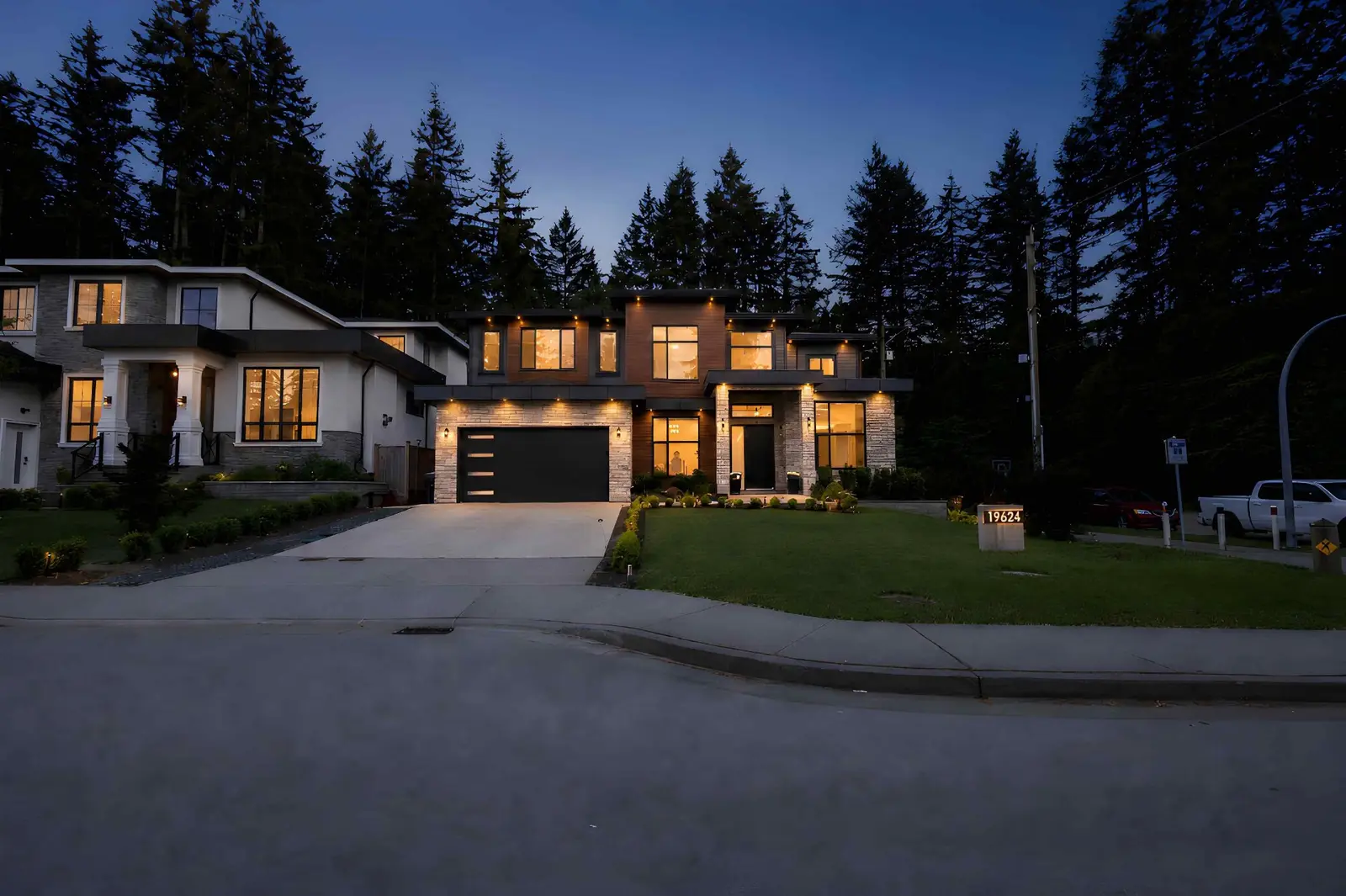
During the shorter days of late autumn and winter, twilight photography offers exceptional visual impact. Capturing the home just after sunset allows the warm glow from interior windows and exterior fixtures to balance against the deep blue tone of the evening sky. This approach softens bare trees and damp surroundings, emphasizing the structural silhouette and comfort of the residence.
Without vibrant flower beds and emerald-green grass to draw visual attention, buyers and cameras naturally focus on hardscaping: driveways, walkways, retaining walls, siding, and roofing. Preparing these elements is critical for effective winter curb appeal.
Algae and moss thrive in the damp winter conditions of Surrey, Delta, and Langley. Concrete aggregate, paving stones, and timber steps often develop dark green or black films that photograph as neglected and slippery. A thorough pressure wash strips away organic growth, restoring clean, bright lines to your pathways and driveways. In winter listing photos, clean concrete reflects ambient light evenly, lifting the overall brightness of the exterior frame.
Deciduous trees deposit leaves and needles across roof valleys and inside gutters well into December. Clogged gutters, overflowing downspouts, and visible debris along the roofline suggest deferred maintenance to prospective buyers reviewing high-resolution listing galleries. Clearing roofs, valleys, and gutters ensures clean lines along the upper third of the home.
Lower Mainland lawns typically turn pale, patchy, or waterlogged during the colder months. While you cannot force grass to grow vigorously in January, you can create sharp, manicured borders. Mechanically edging lawn borders along sidewalks, garden beds, and driveways creates crisp geometric lines that signal meticulous care, even when the turf itself is dormant.
The front entryway serves as the anchor point for primary exterior listing photography. When surrounding vegetation is sparse, creating an intentional, styled entrance anchors the entire composition and establishes off season curb appeal.
Empty decorative planters should never remain barren on a front porch. Fill existing urns or planters with hardy evergreen arrangements that withstand freezing temperatures and heavy rain. Dwarf conifers, boxwood, spruce tops, and skimmia provide rich green and red tones that retain their structure under cold conditions. Adding natural elements like birch logs or cedar boughs introduces textural variety without appearing out of season.
The front door should provide a defined focal point. Wash down the door slab, frame, and threshold to remove road grime, salt, and mud splatters. Ensure hardware, kick plates, and house numbers are polished or wiped clean. If the door colour is naturally neutral, a tasteful, non-holiday-specific winter wreath featuring eucalyptus, magnolia leaves, or cedar adds depth without dating the marketing materials if the listing remains active past January.
Remove weathered seasonal floor mats, redundant shoe trays, hoses, and garden tools. Replace tired doormats with a fresh, heavy-duty coir mat with clean borders. A clutter-free porch allows the architectural lines and entryway proportions to read clearly in wide-angle exterior photography.
To ensure your home is fully prepared before the media crew arrives, follow this systematic exterior checklist tailored for coastal winter conditions. For a complete room-by-room preparation guide covering interior staging as well, review our comprehensive home prep guide.
Executing successful winter listing photos in regions like Surrey, White Rock, and Langley requires flexibility around local weather patterns. While light rain and overcast conditions can be managed effectively with professional exposure techniques and digital sky balancing, severe rainstorms reduce visibility and create excessive camera lens distortion.
Professional real estate photographers monitor microclimates across the Fraser Valley and Lower Mainland to identify optimal shooting windows. When working with our team for professional real estate photography in Surrey and surrounding areas, exterior capture is planned to capitalize on breaks in heavy weather. Where necessary, subtle sky replacement and window masking ensure that interiors and exteriors look balanced, natural, and inviting regardless of ambient cloud density.
A winter sale does not require sacrificing visual impact. By leaning into what works structurally—clean surfaces, crisp borders, architectural illumination, and lush evergreen accents—your property will stand out against competitors whose exteriors appear drab or unprepared. Highlighting warmth and shelter speaks directly to buyers looking for a home during the colder months of the year.
If you are preparing to bring a property to market this season, explore our comprehensive media solutions and review transparent options on our pricing page. When you are ready to coordinate your shoot, visit our booking portal to schedule your media session or reach out through our contact page to discuss your listing timeline.
Explore our photography service and local media coverage, or request an itemized quote.
Yes. Overcast winter days provide diffuse, even light that eliminates harsh shadows. Wet driveways and walkways provide rich contrast, while warm exterior lighting creates an inviting glow. Professional equipment and balanced exposure techniques ensure the home appears crisp and well-defined even under coastal cloud cover.
Yes. Holiday-specific decor such as string lights, inflatable figures, or themed banners immediately dates your listing photos if the home stays on the market past January. Use neutral, seasonal elements instead, such as cedar wreaths, evergreen planters, and warm architectural lighting.
During winter, dormant garden beds can appear muddy, grey, and messy. Applying a fresh layer of dark bark mulch creates a clean, uniform texture and rich tonal contrast that separates the garden beds from walkways, lawn edges, and foundation walls in wide exterior shots.
Twilight photography is particularly effective in winter. The deep blue evening sky contrasts dramatically with warm interior and exterior lighting, diverting focus away from bare trees and dormant lawns while highlighting the architectural structure and cozy appeal of the property.
Rated 5.0 stars from 10 Google reviews — read our Google reviews.
Ready to Apply This?
Real estate photography, video, drone, floor plans and 3D tours across the Lower Mainland — listing photos delivered within 12 hours of the completed shoot; other delivery confirmed when you book.
Keep Reading