

Drone
Why Drone Photography Sells Lower Mainland Homes Faster
November 8, 2025 · 6 min read
Drone
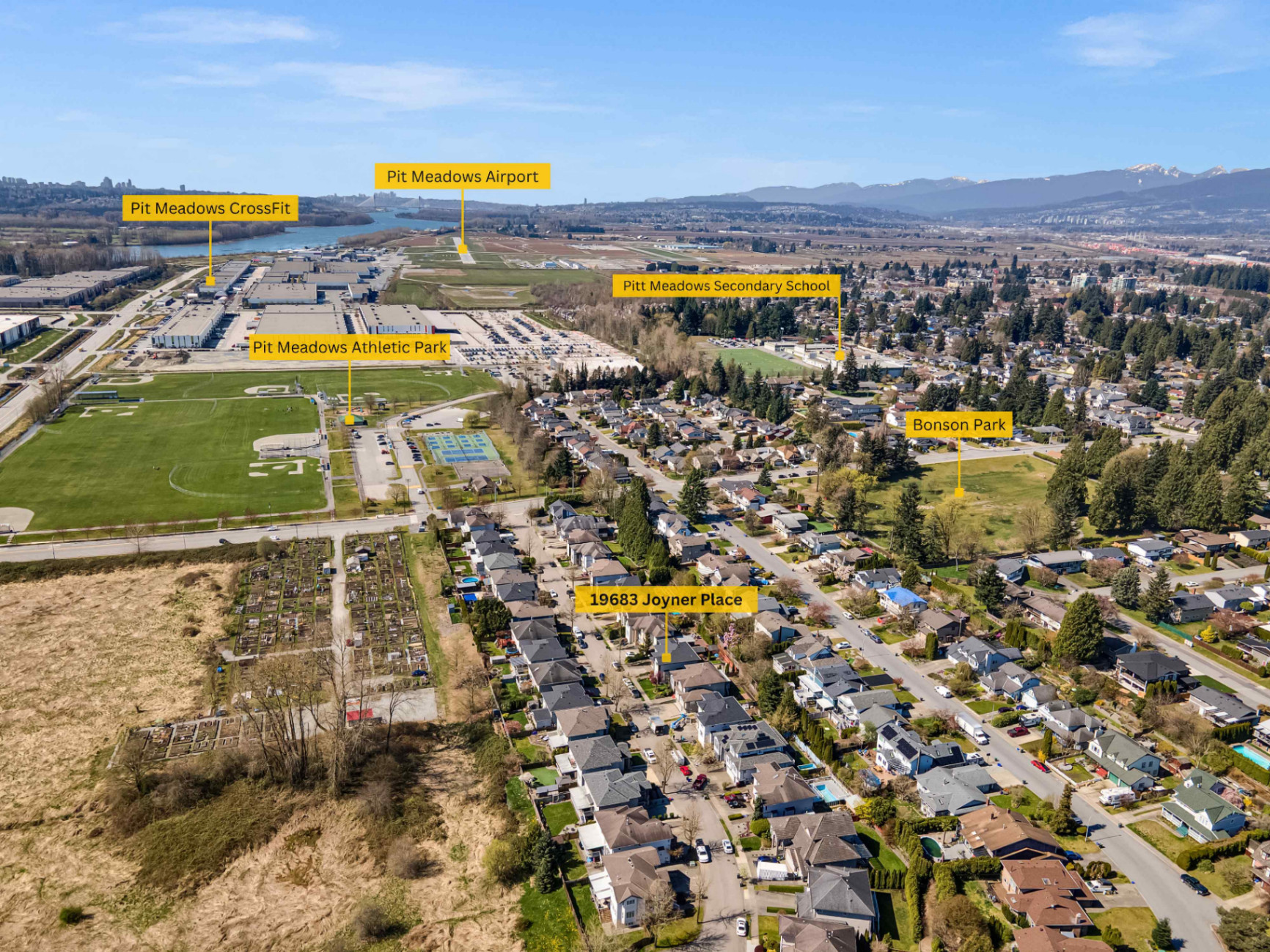
Aerial photos and video help a listing tell a story ground-level cameras cannot — lot lines, view corridors, walkability, waterfront. In British Columbia, drone work also carries real compliance risk if the flight is not planned to Transport Canada's current rules. This is a practical 2026 checklist that summarizes how drone photography for real estate works in Canada today, written for BC listing agents rather than pilots. It is educational content, not legal advice.
Commercial and recreational drone flights in Canada are governed by Transport Canada. The rules turn on the aircraft weight, where the flight takes place, and what the pilot is doing — not on whether the flight is "for real estate." Local bylaws, privacy law, trespassing, park regulations, and special-event restrictions layer on top. A Mini or microdrone does not exempt a flight from any of that.
As of 2026, Transport Canada treats drones differently depending on takeoff weight and how the flight is conducted:
Above 250 g, most real estate flights fall into one of two everyday categories:
Flights that fall outside those categories — for example, flying beyond visual line of sight, or over an outdoor crowd — typically require a Special Flight Operations Certificate (SFOC) or another specific authorization. Transport Canada also introduced additional changes on November 4, 2025 that affect certain higher-risk operations; the official summary of changes is the authoritative reference. For a real estate shoot, the important takeaway is simply that a professional pilot is expected to know which category applies and to fly to it.
| Category | Typical use in real estate | Pilot & aircraft | Airspace |
|---|---|---|---|
| Basic operations | Detached homes and acreage in quieter residential and rural areas, well away from airports and crowds. | Registered drone 250 g+; pilot holds the applicable certificate for Basic operations. | Uncontrolled, VLOS, standard bystander and airport distances. |
| Advanced operations | Denser Metro Vancouver neighbourhoods, closer bystander distances, or controlled airspace near YVR / Boundary Bay / Pitt Meadows. | Registered drone; pilot holds the applicable certificate for Advanced operations; aircraft eligible for the flight. | Controlled airspace with the required air-traffic authorization where needed, or Basic-style airspace with closer proximity to people. |
| Level 1 Complex | Specified lower-risk beyond-visual-line-of-sight operations under Transport Canada’s eligibility conditions; not a standard listing shoot. | Level 1 Complex pilot certificate, eligible aircraft and an RPAS Operator Certificate where required. | Only within the category’s defined airspace and operational limits. |
| Special / SFOC etc. | Non-standard shoots — for example flights that do not fit Basic, Advanced, or Level 1 Complex rules. | Specific authorization from Transport Canada. | Defined case by case in the authorization. |
Microdrones under 250 g sit outside this table but still have to be flown safely and legally — including in the same airspace considerations described on Transport Canada's where to fly page.
Drone planning in the Lower Mainland can be complex. A partial list of things a good drone plan accounts for:
Before you send a drone team to your listing, a short vetting conversation goes a long way:
Whether the shoot falls under Basic or Advanced depends on the current airspace over the address, the aircraft in use, the achievable distance from uninvolved people, and where takeoff and landing can lawfully occur with the owner's permission. The pilot should confirm the airspace for the specific address and choose a flight plan that matches the applicable category — not assume based on the neighbourhood.
Downtown Vancouver sits in controlled airspace with a nearby water aerodrome, so controlled-airspace authorization may be required and microdrone treatment and exact operating rules vary. The right category and any authorization depend on the specific aircraft, the pilot's certificate, launch and landing arrangements, and the day's operational conditions.
Larger lots may offer more separation from bystanders and quieter surroundings, but airspace and aerodrome checks remain address-specific. Confirm the airspace for the property, distance from any local aerodromes and heliports, and permission for takeoff and landing before assuming a straightforward flight.
A sub-250 g drone is not a "get out of every rule" card. Indoor flight has to respect the homeowner's authorization, the safety of anyone inside, and the property itself. The camera is smaller; the responsibility is the same.
Not every listing needs an aerial. Where it consistently helps buyers understand the property:
Explore packages that bundle drone with photo, video, and floor plans on our pricing page, or add aerials to a single shoot on our drone service page. Our videography team routinely combines aerials with cinematic ground footage for listing reels, and drone context pairs naturally with a full real estate photography gallery.
See the FAQ block below for quick answers to the most common realtor questions about hiring a drone photographer in the Lower Mainland.
Ready Set Sold Media offers aerial photo and video for real estate listings across the Lower Mainland, alongside photography and videography. See what we offer on the drone service page, review pricing, or book a shoot online.
Flown by a Transport Canada–certified drone pilot (Basic RPAS certificate), in line with Transport Canada's rules for Basic operations. Level 1 Complex is a separate Transport Canada operating category for specified lower-risk beyond-visual-line-of-sight operations; it is not a Basic or Advanced certificate or a service we claim to offer. Check Transport Canada’s category definitions for eligibility. For address-specific controlled-airspace planning, read urban drone rules for Vancouver.
Explore our drone service and local media coverage, or request an itemized quote.
As of 2026, Transport Canada does not normally require registration or a pilot certificate for microdrones under 250 g. Pilots still have to fly safely, keep the aircraft in sight, respect airspace and privacy, and follow any local rules. Refer to Transport Canada's microdrones page for the current details.
For drones of 250 g or more, pilots need the appropriate Transport Canada certificate for the operating category — Basic or Advanced. Advanced covers controlled airspace and flights that do not meet Basic conditions, such as tighter bystander distances. Some non-standard operations require a Special Flight Operations Certificate.
Only with the correct pilot certificate, an eligible aircraft, and the required air-traffic authorization for that controlled airspace. Any pilot flying real estate in Metro Vancouver should be able to explain their airspace check for the specific address before shoot day.
Commercial drone liability insurance is a professional best practice and is often required by brokerages and property managers, but it should not be described as universally required by Transport Canada for every flight. Always ask your drone photographer for proof of coverage before the shoot.
No. A sub-250 g drone still has to be flown safely, within visual line of sight, away from emergencies and crowds, and in compliance with airspace, privacy, and local rules. Weight class relaxes registration and certification requirements — it does not remove the pilot's responsibilities.
Yes. We plan the airspace, aircraft, and operating category for each real estate flight in the Lower Mainland based on the current rules and the specific address. When booking, confirm feasibility for your property, weather contingencies, and any rescheduling terms so both sides know what to expect on shoot day.
Rated 5.0 stars from 10 Google reviews — read our Google reviews.
Ready to Apply This?
Real estate photography, video, drone, floor plans and 3D tours across the Lower Mainland — listing photos delivered within 12 hours of the completed shoot; other delivery confirmed when you book.
Keep Reading
Drone
November 8, 2025 · 6 min read
Virtual Staging
September 22, 2026 · 6 min read
Development Marketing
August 13, 2026 · 9 min read